The question of why there is so much more matter than its oppositely-charged and oppositely-spinning twin, antimatter, is actually a question of why anything exists at all. One assumes the universe would treat matter and antimatter symmetrically, and thus that, at the moment of the Big Bang, equal amounts of matter and antimatter should have been produced. But if that had happened, there would have been a total annihilation of both: Protons would have canceled with antiprotons, electrons with anti-electrons (positrons), neutrons with antineutrons, and so on, leaving behind a dull sea of photons in a matterless expanse. For some reason, there was excess matter that didn’t get annihilated, and here we are. For this, there is no accepted explanation. The most detailed test to date of the differences between matter and antimatter, announced in August 2015, confirm they are mirror images of each other, providing exactly zero new paths toward understanding the mystery of why matter is far more common.
Astrophysical data suggests space-time might be “flat,” rather than curved, and thus that it goes on forever. If so, then the region we can see (which we think of as “the universe”) is just one patch in an infinitely large “quilted multiverse.” At the same time, the laws of quantum mechanics dictate that there are only a finite number of possible particle configurations within each cosmic patch (10^10^122 distinct possibilities). So, with an infinite number of cosmic patches, the particle arrangements within them are forced to repeat — infinitely many times over. This means there are infinitely many parallel universes: cosmic patches exactly the same as ours (containing someone exactly like you), as well as patches that differ by just one particle’s position, patches that differ by two particles’ positions, and so on down to patches that are totally different from ours.
Time moves forward because a property of the universe called “entropy,” roughly defined as the level of disorder, only increases, and so there is no way to reverse a rise in entropy after it has occurred. The fact that entropy increases is a matter of logic: There are more disordered arrangements of particles than there are ordered arrangements, and so as things change, they tend to fall into disarray. But the underlying question here is, why was entropy so low in the past? Put differently, why was the universe so ordered at its beginning, when a huge amount of energy was crammed together in a small amount of space?
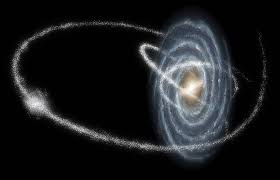
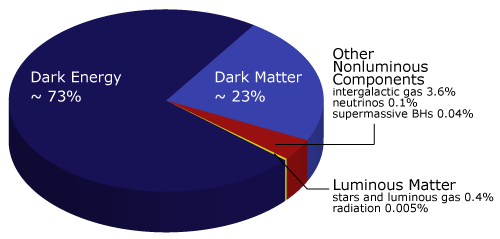
Evidently, about 84 percent of the matter in the universe does not absorb or emit light. “Dark matter,” as it is called, cannot be seen directly, and it hasn’t yet been detected by indirect means, either. Instead, dark matter’s existence and properties are inferred from its gravitational effects on visible matter, radiation and the structure of the universe. This shadowy substance is thought to pervade the outskirts of galaxies, and may be composed of “weakly interacting massive particles,” or WIMPs. Worldwide, there are several detectors on the lookout for WIMPs, but so far, not one has been found. One recent study suggests dark mater might form long, fine-grained streams throughout the universe, and that such streams might radiate out from Earth like hairs. [Related: If Not Dark Matter, then What?]
No matter how astrophysicists crunch the numbers, the universe simply doesn’t add up. Even though gravity is pulling inward on space-time — the “fabric” of the cosmos — it keeps expanding outward faster and faster. To account for this, astrophysicists have proposed an invisible agent that counteracts gravity by pushing space-time apart. They call it dark energy. In the most widely accepted model of dark energy, it is a “cosmological constant”: an inherent property of space itself, which has “negative pressure” driving space apart. As space expands, more space is created, and with it, more dark energy. Based on the observed rate of expansion, scientists know that the sum of all the dark energy must make up more than 70 percent of the total contents of the universe. But no one knows how to look for it. The best researchers have been able to do in recent years is narrow in a bit on where dark energy might be hiding, which was the topic of a study released in August 2015.
In 1900, the British physicist Lord Kelvin is said to have pronounced: “There is nothing new to be discovered in physics now. All that remains is more and more precise measurement.” Within three decades, quantum mechanics and Einstein’s theory of relativity had revolutionized the field. Today, no physicist would dare assert that our physical knowledge of the universe is near completion. To the contrary, each new discovery seems to unlock a Pandora’s box of even bigger, even deeper physics questions. These are our picks for the most profound open questions of all.Inside you’ll learn about parallel universes, why time seems to move in one direction only, and why we don’t understand chaos.
The U.S. national kilogram, created in 1879.Credit: Salwan Georges/The Washington Post via Getty Images
The kilogram isn’t a thing anymore. Instead, it’s an abstract idea about light and energy.
As of today (May 20), physicists have replaced the old kilogram — a 130-year-old, platinum-iridium cylinder weighing 2.2 pounds (1 kilogram) sitting in a room in France —— with an abstract, unchanging measurement based on quadrillions of light particles and Planck’s constant (a fundamental feature of our universe).
In one sense, this is a grand (and surprisingly difficult) achievement. The kilogram is fixed forever now. It can’t change over time as the cylinder loses an atom here or an atom there. That means humans could communicate this unit of mass, in terms of raw science, to space aliens. The kilogram is now a simple truth, an idea that can be carried anywhere in the universe without bothering to bring a cylinder with you.Advertisement
And still…so what? Practically speaking, the new kilogram weighs, to within a few parts per billion, exactly as much as the old kilogram did. If you weighed 93 kilograms (204 pounds) yesterday, you’ll weigh 93 kilograms today and tomorrow. Only in a few narrow scientific applications will the new definition make any difference. [7 Strange Facts About Quarks]
What’s really fascinating here isn’t that, practically speaking, the way most of us use the kilogram will change. It’s how damn difficult it turned out to be to rigorously define a unit of mass at all.
Other fundamental forces have long since been understood in terms of fundamental reality. A second of time? Once, according to the National Institute of Standards and Technology (NIST), it was defined in terms of the swings of a pendulum clock. But now scientists understand a second as the time it takes an atom of cesium 133 to go through 9,192,631,770 cycles of releasing microwave radiation. A meter? That’s the distance light travels in 1/299,792,458th of a second.
But mass isn’t like that. We usually measure kilograms in terms of weight — how much does this thing push down on a scale? But that’s a measurement that depends on where you perform the actual weighing. That cylinder in France would weigh much less if you brought it to the moon, and even a tiny bit more or tiny bit less if you brought it to other parts of the Earth.
As NIST explains, the new kilogram is based on the fundamental relationship between mass and energy — the relationship partly spelled out in Einstein’s E=mc^2, which means energy is equal to mass times the speed of light squared. Mass can be converted to energy and vice versa. And, compared with mass, energy is easier to measure and define in discrete terms.
That’s thanks to another equation, even older than E=mc^2. The physicist Max Planck showed in 1900 that E=hv, according to NIST. He showed that, on a small enough scale, energy can go up and down, and only in steps. E=hv means that energy is equal to “v” — the frequency of some particle, like a photon — multiplied by “h” — the number 6.62607015×10^minus34 also known as Planck’s constant.
“v” in E=hv must always be an integer, like 1, 2, 3 or 6,492. No fractions or decimals allowed. So, energy is by its nature discrete, going up and down in steps of “h” (6.62607015×10^minus34).
The new kilogram brings E=mc^2 and E=hv together. That enables scientists to define mass in terms of Planck’s constant, an unchanging feature of the universe. An international coalition of science labs came together to make the most precise measurements of Planck’s constant yet, certain to within just several parts per billion. The new kilogram’s mass corresponds to the energy of 1.4755214 times 10^40 photons that are oscillating at the same frequencies as the cesium 133 atoms used in atomic clocks.
It’s not the easiest thing to stick on a scale. But, as an idea, it’s a lot more portable than a cylinder of platinum-iridium alloy.
There are no medications available to treat T. gondii. Other than remaining vigilant to try to prevent infection, there’s not too much else to do.
In a 2005 study in the American Journal of Obstetrics and Gynecology, health care providers advised pregnant women and women looking to become pregnant to get screened for T. gondii. The authors also suggested that women understand the risk factors for infection, such as exposure to cats (and particularly litter boxes and feces), consuming improperly cooked meat and drinking untreated water.
One of Toxoplasma’s most frightening — and most controversial— possible effects is its impact on the mind. If a woman is infected with the parasite while she is pregnant, her fetus may be at risk for developing schizophrenia and other mental disorders, according to a 2006 study of people living in Denmark, published in the journal Biological Psychiatry.
And that’s not all. A 2014 study that was published in The Journal of Nervous and Mental Disease found Toxoplasma antibodies in patients with schizophrenia, providing further evidence for a potential link between the parasite and the mental illness.
A single-cell parasite, Toxoplasma gondii, is perhaps best-known for its connection to cats. The parasite can move from its feline host to humans, most commonly through contact with cat feces. And while the parasite typically only causes mild infection (people may have flulike symptoms), in people with weakened immune systems, infections can cause serious problems, from seizures to severe lung problems.
But a T. gondii infection can also have some downright bizarre effects. Over the years, the parasite has not only surprised and stumped researchers, but has also led to new insights into how human behaviors work.
T. gondii has been shown to increase fearlessness in rats.
Rats infected with the parasite seem to lose their typical fear of cats, and more specifically, their fear of cat urine. A 2011 study in PLOS ONE suggested that infected rats start to feel a type of “sexual attraction” to the smell of cat urine, rather than their usual defensive response to the scent.
This might be because a T. gondii infection changes neural activity in certain areas of the brain, the researchers said. The parasite “overwhelms the innate fear response” so that rats no longer avoid the scent of cat urine, they wrote. Instead, the amorous rats are drawn to it — and to their deaths.
T. gondii can leap between almost all warm-blooded animals.
Cats and rats aren’t the only animals that can host the parasite. T. gondii is an exceptional parasite in that it can leap from almost any warm-blooded creature to another. Although an estimated 6 in of 10 infectious human diseases are zoonotic (meaning they can hop from animals to humans), hardly any share T. gondii’s wide versatility of host organisms, according to the Centers for Disease Control and Prevention.
Scientists haven’t pinpointed exactly why this is, but some research, such as a 2011 study published in the Proceedings of the National Academy of Sciences, suggests that at least part of the answer may be found in the parasite’s proteins: When a certain type of protein is removed, the parasite is no longer virulent. Researchers speculate that this is because those proteins disrupt key proteins in the host’s cell that are key to the host’s immune response. [10 Deadly Diseases That Hopped Across Species]
Others suggest that T. gondii could contribute to other types of mental illness, even suicide.
Schizophrenia isn’t the only psychological disorder that is possibly linked to T. gondii. A 2011 study that was done in mice and published in the journal PLOS ONE showed that the parasitemay cause infected brain cells to release high levels of the neurotransmitter dopamine.
Increases in dopamine could play a hand in certain mood disorders, such as bipolar disease, which has been linked to dopamine irregularities, according to the study. Other research done in humans suggests that Toxoplasma could be connected to impulsivity, and even suicide.
The parasite wouldn’t be the first pathogen to alter people’s brain and behavior: The rabies virus, which is deadly in people, has long been shown to have devastating neurological effects.
Last December, a tourist in Hawaii ate a slug on a dare — not realizing, of course, a wiggly brain-loving parasite was along for the ride.
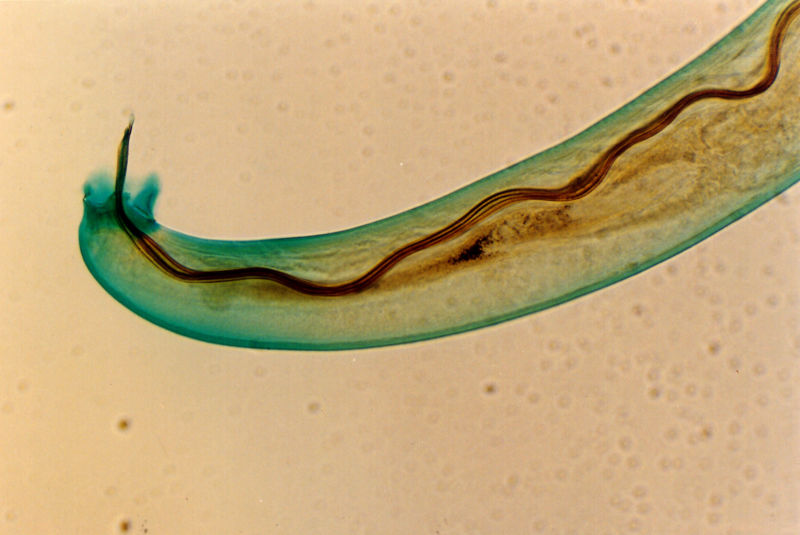
After accidentally ingesting the larvae of the parasitic rat lungworm (Angiostrongylus cantonensis) that was hiding inside the slug, the person contracted angiostrongyliasis, or rat lungworm disease, becoming one of three recently confirmed cases of the infection, according to a May 23 statement from the Hawaii Department of Health.
This parasite typically lays eggs in a rodent’s pulmonary arteries — passageways for blood traveling from the heart to the lungs — and once those eggs hatch, the resulting larvae can travel up to the rodent’s throat area; the rodent then swallows them and poops them out, according to the Centers for Disease Control and Prevention. This parasite-packed poop becomes a meal for slugs and snails.
When the accidental host — a human — comes along and eats a raw or undercooked snail or slug, the parasite larvae can make their way up to the person’s brain (they also do this in rodents), where they mature into young adults.
Some people infected with this parasite don’t have any symptoms, whereas others can develop a rare form of meningitis called eosinophilic meningitis. Symptoms include severe headache, stiff neck, low-grade fever, tingling or pain and vomiting. The symptoms usually begin one to three weeks after exposure to the parasite, according to the Hawaii Department of Health.
In Hawaii, most people get exposed to the parasite through eating a snail or a slug infected with the larvae. But people can also become infected through eating raw produce infected by the snails or slugs or even crabs, shrimp or frogs infected by the parasite.
It’s not clear how the two people were infected in Hawaii, but one remembers eating several homemade salads while in Hawaii and the other recalls eating unwashed raw fruits, vegetables or other plants straight from the land, according to the statement.
The Department of Health recommends washing all fruits and vegetables with clean water to remove tiny slugs or snails; controlling snail, slug and rat populations near homes, gardens and farms; and inspecting, washing and storing produce in sealed containers, according to the statement.
The revelations that not only changed the world but challenged the way we see our existence and our place in the universe
1. Gravitational waves
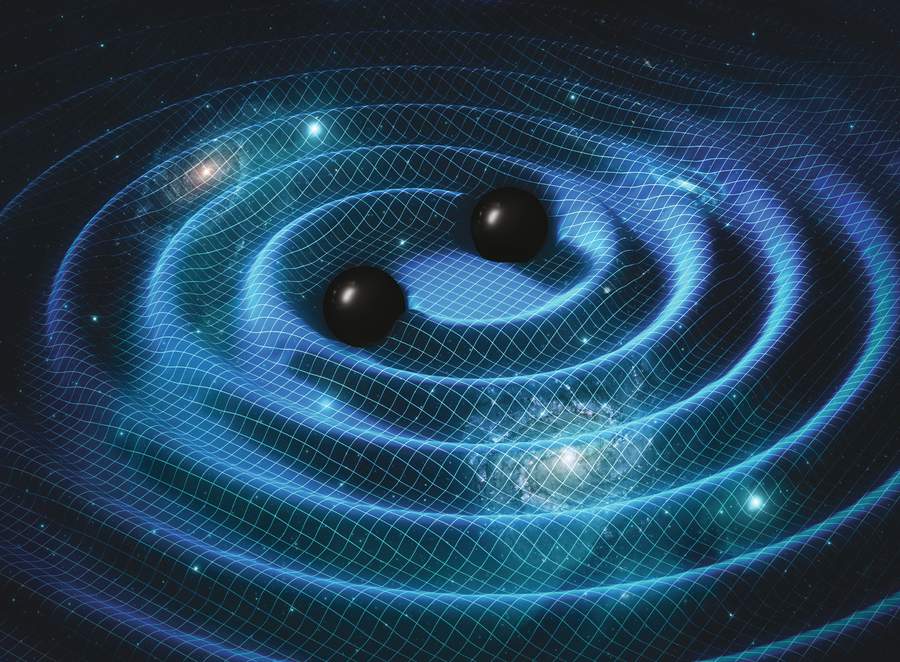
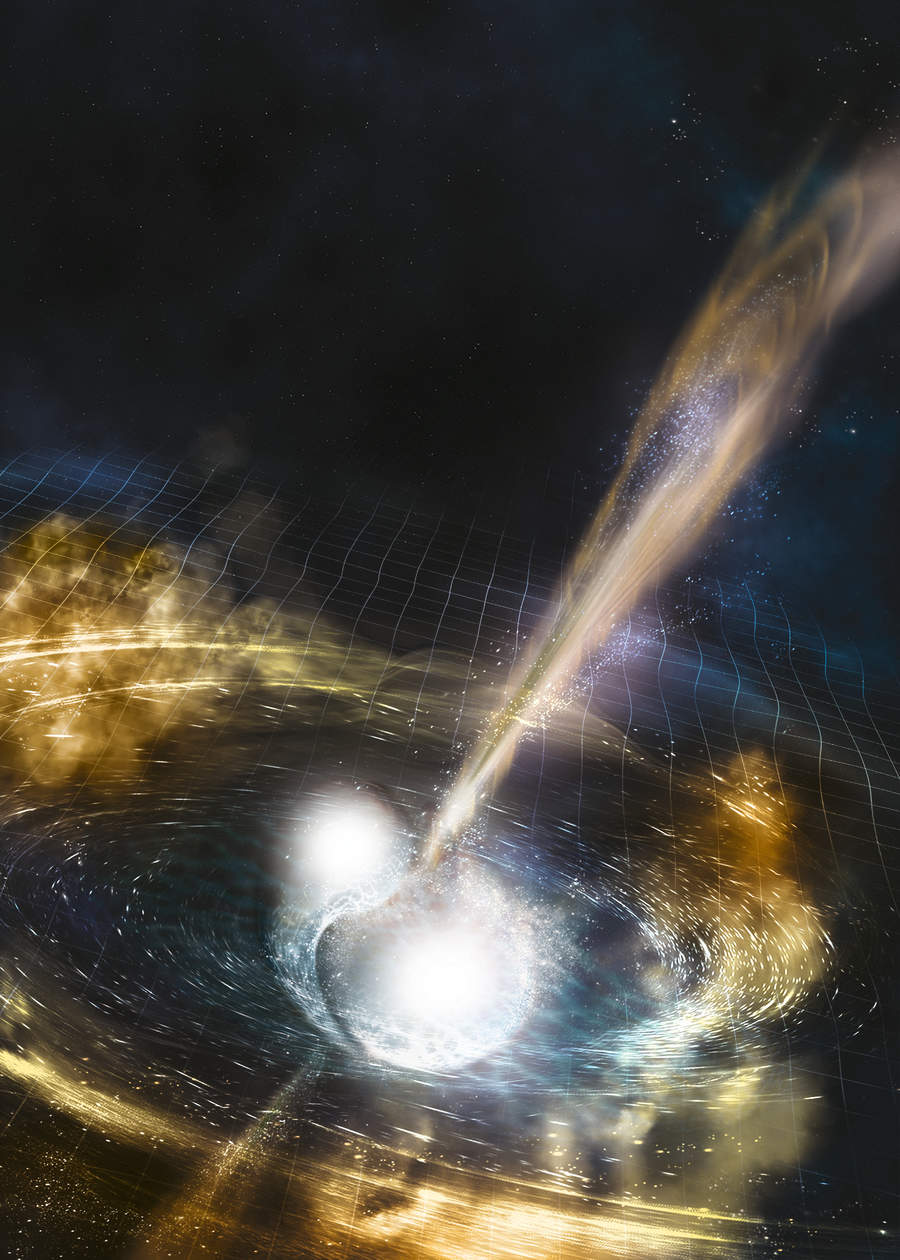
The existence of gravitational waves was first predicted in 1916 by Albert Einstein, who suggested that when two massive accelerating objects collide they cause ripples to be discharged through space, similar to the ripples seen when a pebble is thrown into water. Almost 100 years later scientists were still struggling to directly detect them, something even Einstein himself doubted could be done. When a wave passes through Earth it is squeezing and stretching the fabric of space, but as these differences are so tiny most instruments have not been able to detect these changes until recently.
Named LIGO (Laser Interferometer Gravitational-Wave Observatory), this laser- and mirror-based technology is sensitive to the smallest ripples through space-time. This pioneering US research facility uses two four-kilometre L-shaped detectors located in Livingston in Louisiana and Hanford in the state of Washington.
On 14 September 2015, the moment the scientists had been waiting for came when a gravitational wave rippled through the Earth caused by the violent crash of two black holes over 1 billion years ago. The first wave passed through the Livingston facility before then being detected seven milliseconds later in Hanford, 3,000 kilometres away. Not only did this discovery prove that Einstein’s theory was right, but it will revolutionise our very understanding of the entire universe.
2. Jupiter’s moons
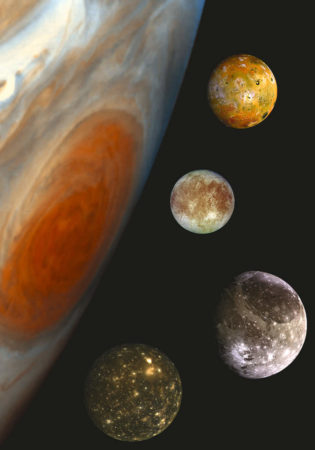
More than 588 million kilometres from our Earth an orange-and-yellow banded gas giant orbits the Sun. Though we have always been close (relatively speaking) neighbours to Jupiter, it wasn’t until 1610 that we discovered that this huge planet has multiple moons. It was the Italian astronomer Galileo Galilei that identified the celestial bodies orbiting Jupiter and named them Io, Europa, Ganymede and Callisto.
At this time in history, people were still struggling to accept that we were not at the centre of the universe. Galileo’s landmark discovery changed the way we viewed our universe and challenged our place within it. We realised that if some celestial bodies orbited planets that weren’t us then that meant we are really not that special.
3. Cosmic microwave background radiation
In the mid-1960s astronomers, Arno Penzias and Robert Wilson discovered cosmic microwave background radiation. This radiation is present in tiny quantities throughout the entire universe as the residual radiation left from the birth of the universe. Their discovery was of enormous cosmological significance, transforming the (at the time) controversial Big Bang Theory into the scientifically accepted explanation of the birth of the universe.
Like many of the best scientific discoveries, it happened almost accidentally. While working with a very sensitive radio telescope at Bell Labs in New Jersey, US, they noticed a mysterious hissing sound coming from all directions. Frustrated by the interference, they did their best to work out the cause of the sound, even removing some birds that had made a nest in the antenna, before realising they were onto something big. They had discovered the echo of the explosion that caused the beginning of the universe.
4. The universe is expanding
Edwin Hubble was the first to discover other galaxies beyond our own Milky Way, but it turns out that this discovery alone wasn’t impressive enough to get a telescope named after him! Hubble actually made an even greater contribution to science that changed the way we understand the origins of our universe. In 1929 Hubble discovered that all galaxies seemed to be moving away from us and the ones furthest away are moving the fastest — a relationship now known as Hubble’s Law.
This was the first evidence indicating the universe is expanding. Hubble took long-exposure photographs of the spectra of faint galaxies using a telescope and measured the amount they shifted to calculate their speed. He then plotted the speed of the galaxies against their distance and noticed the interesting relationship between the data. This really had scientists thinking. If the universe is expanding it must have been smaller in the past, so it must have started from one small point. This formed the basis of the Big Bang Theory.
5. Organic molecules on comets
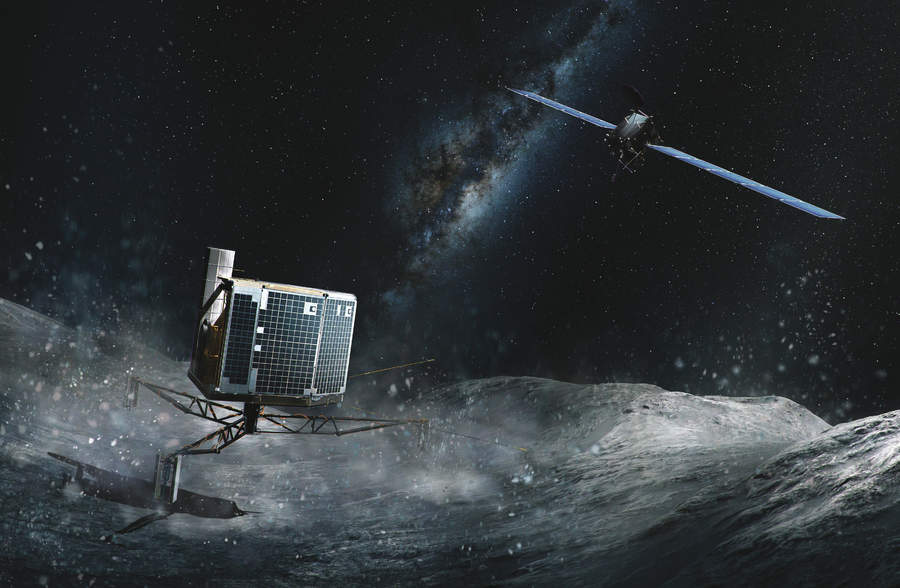
NASA-funded researchers announced in 2016 that the Rosetta spacecraft had discovered some building blocks of DNA in the thin atmosphere of the comet 67P/Churyumov-Gerasimenko. This breakthrough was the first direct and repeated detection of the amino acid glycine and suggests that not only could comets be responsible for assisting the origins of life on our planet, but they could also be responsible for delivering organic molecules to other worlds.
6. The prevalence of dark matter
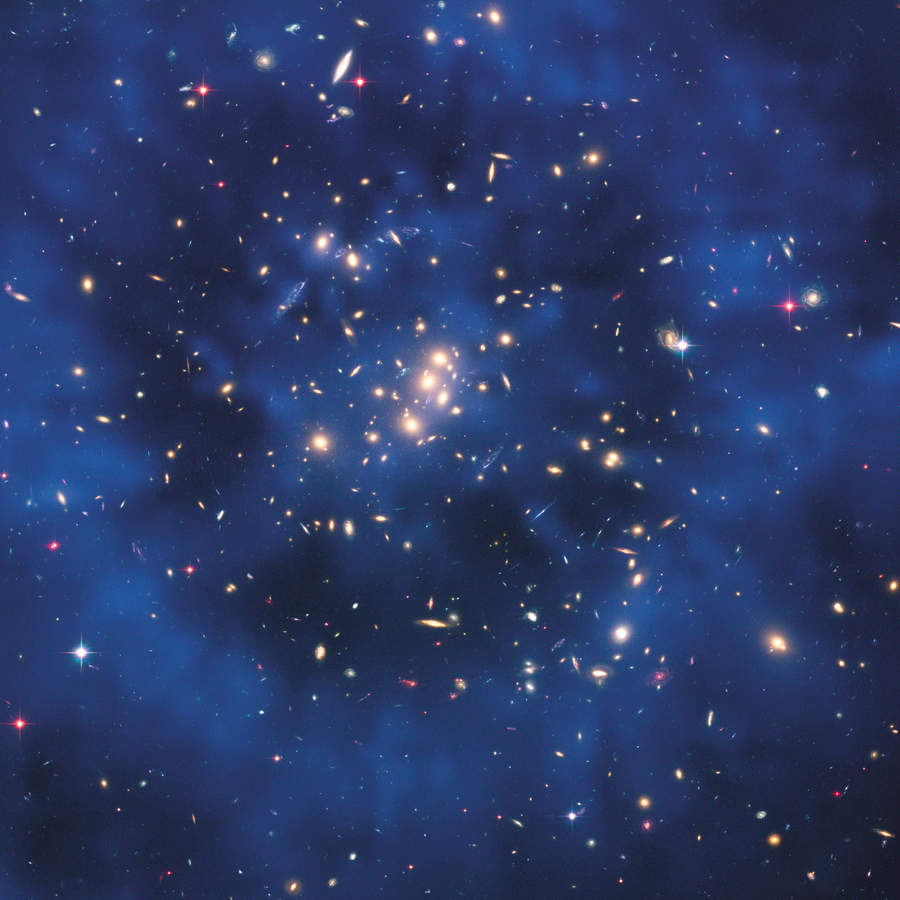
Vera Rubin not only made a huge cosmological discovery in the 1970s, but she also founded an entire subject in the process. She noticed a difference between the predicted angular motion of the galaxies and their observed motion by studying galactic rotation curves and determined that visible matter alone wasn’t enough to explain the speed at which stars rotate, and it wasn’t possible that normal matter could generate enough gravity to hold galaxies together. Rubin proved that most of the mass in the universe does not emit, reflect, or absorb light, and she named this dark matter. Though it is still a mystery as to what exactly dark matter is, we know that it isn’t made from protons and neutrons like ‘normal’ matter. It is thought that approximately 27 per cent of the entire universe is made from this mysterious substance, which is expected to consist of subatomic particles that we have not yet been able to detect.
7. Black holes
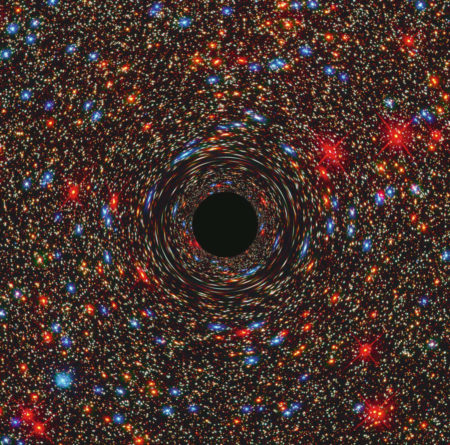
The mathematical concept of black holes is one that has been around for hundreds of years, but it was always impossible to find evidence for their existence before the Hubble Telescope. Designed to take clear pictures of the deepest parts of space, this incredible feat of engineering was launched into space in 1990 and has provided images showing black holes’ immense gravity — their ability to pull matter from around them. Black holes are thought to form when massive stars die, imploding from their own weight and have such a strong pull of gravity that not even light can escape, which is why we can’t directly detect them with conventional methods.
8. Stars are powered by fusion
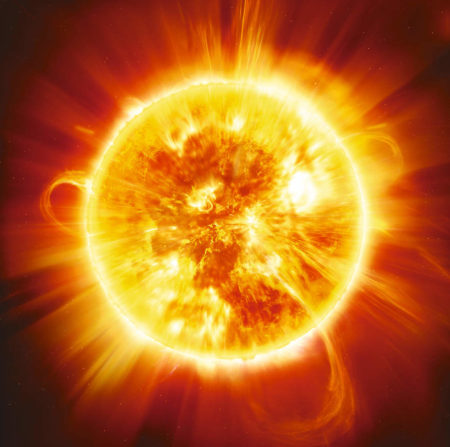
Around 1920 Arthur Eddington, an English mathematician, physicist and astronomer, proposed that stars obtain energy by the nuclear fusion of hydrogen to form helium. He formulated a theory suggesting that heavier elements can also be produced when a star runs out of hydrogen.
9. Exoplanets
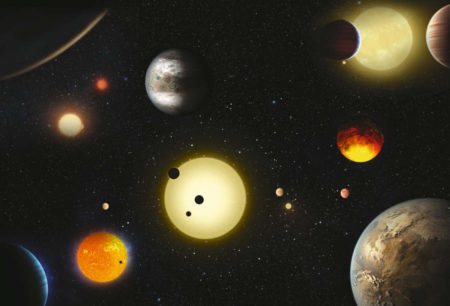
On 9 January 1992, Aleksander Wolszczan and Dale Frail announced their discovery of two planets orbiting the neutron star PSR B1257+12. These planets turned out to be the first confirmed exoplanets — planets that orbit a star outside of our Solar System. They’re difficult to detect because they are not very bright and they are very far away from us. At the time of writing, there are 3,550 confirmed and 4,496 candidate exoplanets.
10. Water on Mars
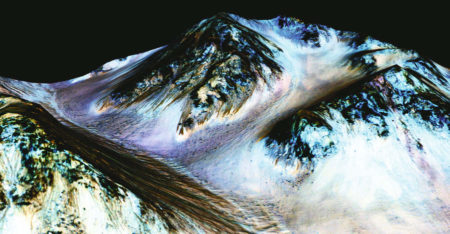
Shortly after humans first landed on the Moon in 1969, NASA’s Viking mission took one more giant leap by sending a lander to Mars in 1976. Many of the rovers and satellites sent to the Red Planet since then have returned data providing evidence that there had once been water on the planet, with the discovery of ancient riverbeds and remnants of vast flooding. And in 2015 NASA’s Mars Reconnaissance Orbiter (MRO) provided conclusive evidence that liquid water still flows intermittently on Mars.




 The Sci-Fi