A 4,500-year-old cemetery has been discovered southeast of the famous Giza Pyramids, the Egyptian Ministry of Antiquities announced this morning (May 4).
Several tombs and burials were discovered in the cemetery, with one of the oldest tombs holding the remains of two individuals — one named “Behnui-Ka” and another named “Nwi.” Their sarcophagi were found intact and their remains are likely inside; however, no information on them has been released. Analysis of the tomb’s artifacts and hieroglyphic inscriptions revealed that the two men lived almost 4,500 years ago, during what historians often call the Fifth Dynasty, a time after the Giza Pyramids had been built.
According to those inscriptions, Behnui-Ka was a priest and judge who held a number of titles, including a lengthy one that calls him “the purifier of kings: Khafre, Userkaf and Niuserre.” Khafre was a pharaoh who ordered the construction of one of the Giza Pyramids, while Userkaf and Niuserre were pharaohs who ruled Egypt during the Fifth Dynasty. [See Photos of the Ancient Egypt Cemetery & Burials]Advertisement
Nwi also held a number of titles, including “chief of the great state,” “the overseer of the new settlements” and “the purifier of King Khafre,” according to the inscriptions found in the tomb. Analysis of the inscriptions and titles is ongoing.
Numerous artifacts were found in this tomb and others in the cemetery, including a limestone statue that may depict either Behnui-Ka or Nwi, as well as stone engravings and wooden masks.
Archaeologists found that the cemetery had been re-used about 2,600 years ago, when several individuals were buried there. Tomb re-use occurred frequently in ancient Egypt.
The newly discovered cemetery is located next to a cemetery that held the burials of people who built the Giza Pyramids, said Zahi Hawass, Egypt’s former Minister of Antiquities, in the statement.
An Egyptian archaeological team led by Mostafa Waziri, the Secretary-General of the ministry’s Supreme Council of Antiquities, discovered the cemetery. Research at the new cemetery is ongoing, with new discoveries likely
Ah, the aromas of spring. The clean scent of freshly mown grass. The sweet fragrance of lilacs in bloom. But what’s causing that sulfurous smell from your urine after eating one of the season’s earliest vegetables? It’s asparagus, of course. Just what is it that gives “asparagus pee” that pungent smell?
“To me, my urine after I eat asparagus smells like vegetable soup, maybe even a cabbage soup,” said Danielle Reed, associate director of the Monell Chemical Senses Center, in Philadelphia, and an author on a 2011 study in the journal Chemical Senses on how people produce and detect those characteristic asparagus-pee odors.
People have been noticing the asparagus smell for decades. Novelist Marcel Proust wrote that it “transforms my chamber-pot into a flask of perfume.” Benjamin Franklin commented that “a few stems of asparagus shall give our urine a disagreeable odor.”Advertisement
What’s that smell?
The asparagus smell is thought to result from the metabolism of asparagusic acid, found in asparagus, into other sulfur-containing compounds, such as methanethiol, the most prominent odorant identified in asparagus pee, along with many others.
“We think that some of the proteins and amino acids in asparagus are metabolized differently by different people, and so people have a different sulfur volatile profile,” Reed said.
Sources of variation
Anecdotally, the story goes that people differ in whether or not they detect the asparagus smell. As “Dr. Steve” wrote in Men’s Fitness, “Not everyone can smell the urinary byproducts of asparagus; those who can smell them assume everyone else can too, and those who can’t smell them think those who can are crazy.”
In fact, as Reed and colleagues realized, the ability to sniff an odor in one’s own pee depends on both the sense of smell and the ability to produce the odor in the first place. If someone doesn’t notice the asparagus smell, you can’t know offhand whether that’s because they don’t produce it, or they fail to smell it, or both. The scientific literature, too, varies a lot in its estimates of the sources and magnitude of variation in people’s ability to smell asparagus pee: Thirty-three and 50 percent of people fail to perceive the asparagus-pee odor, according to two past studies with American populations. In contrast, studies with Israeli and Chinese populations found that almost everyone can, according to Reed and her colleagues. Data from previous studies also showed varying results about the proportion of people who produce the odor, according to Reed’s 2011 paper.
Could the variation be genetic?
A 2010 study run by the DNA-sequencing company 23andMe, which was published in the journal PLOS Genetics, identified a genetic component of the ability to smell asparagus pee: a tiny stretch of DNA that often differed between people who said they either noticed a “peculiar odor” when they peed after eating the veggie or they did not. Sex chromosomes aside, we all have two copies of each chromosome and therefore of each gene. People whose DNA sequences had a “G” on both chromosomes at a specific location (had genotype “G/G”) were less often able to detect the smell in their urine than those whose DNA read “G” on one chromosome and “A” on the other (genotype “G/A”), or “A” on both chromosomes (genotype “A/A”).
The site of variation, located on Chromosome 1 and known as rs4481887, is near genes for several different olfactory receptors, and researchers aren’t exactly sure which receptor it may affect, the authors wrote. Yet that genomic study did not reveal whether the gene variants influenced odor production, detection, or both. [6 Easy Ways to Eat More Fruits and Vegetables]
Researchers investigate
To find out, Monell Institute researchers designed their 2011 study to distinguish between the two abilities. Study participants gave urine samples both before and after eating asparagus. Next, they were asked to smell several pairs of urine samples, one collected post-asparagus eating, one collected pre-asparagus or after eating bread, and asked to identify the one that smelled of asparagus. The researchers also sequenced participants’ DNA at rs4481887.
The results? “We were surprised to learn that some people don’t produce the odor, and so that was a new finding. We knew that some people were unable to smell it, but we learned that some people were unable to produce it,” Reed said.
Specifically, 8 percent of subjects failed to produce the odor; and 6 percent of participants failed to detect it. The two abilities, smell production and odor detection, were not tightly linked, the researchers found.
The 2011 study also found that the Chromosome 1 gene variant was associated with the ability to smell the odor, but not the ability to produce it. According to the study, about 75 percent of people with genotype “G/G,” were able to detect the asparagus smell, whereas about 90 percent of those with “G/A” or “A/A” genotypes could pick it up.
“That odorant receptor doesn’t explain the entire perception of the volatiles of asparagus urine, but it definitely explains part of the acuity that people have,” Reed said.
Why do we care?
Hey, if Proust think it’s interesting….
Also, differences in abilities to metabolize proteins in asparagus might relate to other, more consequential, health issues, Reed said.
“At a superficial level, it’s just of interest to understand that people live in different sensory worlds,” she added.
What’s the secret behind the sweet smell of cut grass?Credit: Shutterstock
If you grew up in the suburbs, you recognize it immediately: the sweet, sharp smell of someone mowing a lawn or ballfield. As it wafts into your nostrils, it somehow manages to smell exactly like the color green. But what are we really smelling when we inhale that fresh-cut grass scent? And why do we like it so much?
Chemically speaking, that classic lawn smell is an airborne mix of carbon-based compounds called green leaf volatiles, or GLVs. Plants often release these molecules when damaged by insects, infections or mechanical forces — like a lawn mower.
Plants manufacture slightly different forms of GLVs depending on what’s happening to them, said Ian Baldwin, a plant ecologist and founding director of the Max Planck Institute for Chemical Ecology in Jena, Germany. In a 2010 study published in the journal Science, he and colleague Silke Allmann, of the University of Amsterdam, found that tobacco leaves punctured and rubbed with insect saliva released a different bouquet of volatile compounds than leaves that had been poked and brushed with water. [Why Does Rain Smell Good?] Advertisement
GLVs are small enough to take to the air and float into our nostrils. In some cases, they can be detected more than a mile from the plant where they originated. Other species, such as insects that eat plants and the predators that eat those insects, are extremely sensitive to different GLV aromas. For instance, Baldwin and Allmann discovered that predatory Geocoris bugs are attracted to the GLVs released by plants chewed on by a pest called the tobacco hornworm. In other words, the specific smell of the besieged plants indicates to the predators that a snack is nearby.
Humans don’t typically eat turf grass or the insects on it, but the GLVs that grass releases aren’t that different from those of plants we do find tasty. That means we have good reasons to be sensitive to them. “Just about all fresh vegetables have some GLV bouquet to them,” Baldwin told Live Science, and fruits may release the molecules as they soften and the membranes inside them break down. “Throughout evolutionary history, we’ve used that information to know when something is ripe,” Baldwin said.
As far as Baldwin knows, there isn’t anything specific to grass that makes it smell nicer to us than another plant. But we are more likely to mow it, injuring a lot of plant tissues at once and releasing a concentrated cloud of GLVs. With something like 40 million acres (16.3 million hectares) of lawn across the contiguous United States, mowing is often our best opportunity to encounter the fresh, green smell we innately associate with edible plants. People living near tea plantations in China might get the same feeling from the scent of the tea harvest, Baldwin said.
Plants themselves can also recognize and respond to these airborne aromas, Baldwin added. If the GLV bouquet indicates that neighboring plants are losing their flowering tops, for example, a plant can shuttle sugar and other resources toward its roots and away from its flowers. This minimizes the plant’s potential losses and can help it grow back later. As Baldwin put it, the grass “will respond with the anticipation that the lawn mower is going to come over there.”
Baldwin has found that this effect, called bunkering, can start within mere minutes of the attack on the first plant. In other words, by the time you mow from one end of the lawn to the other, the grass on the far side might smell you coming — and be ready to resist.
By Mike Wall, Space.com Senior Writer | May 5, 2019 08:50am ET 0 0 MORE Partner Series Could Life on Earth Have Come from Another Star System? Artist’s illustration of ‘Oumuamua, the first known interstellar object spotted in our solar system. Credit: M. Kornmesser/ESO Life may have traveled to Earth from afar, aboard an interstellar visitor like the weird, cigar-shaped object ‘Oumuamua, researchers say. ‘Oumuamua, which zoomed through the inner solar system last fall, is the first confirmed interstellar object ever observed in our neck of the woods. But that doesn’t mean it was the first ever to get here — far from it, in fact. “We think that something like an ‘Oumuamua … there’s always one within about 1 AU of the sun at any given time,” planetary scientist Bill Bottke said last month during a panel discussion at the Breakthrough Discuss conference at the University of California, Berkeley. (One AU, or astronomical unit, is the average Earth-sun distance — about 93 million miles, or 150 million kilometers.) Advertisement Related: ‘Oumuamua: Our 1st Interstellar Visitor Explained in Photos “And that actually has some really interesting implications,” added Bottke, who directs the Department of Space Studies at the Southwest Research Institute in Boulder, Colorado. One such implication centers on the role that ‘Oumuamua-like objects could play in the transfer of life from world to world around the cosmos, an idea known as panspermia. ‘Oumuamua’s exact size is unknown, but researchers think it spans less than 2,600 feet (800 meters) in its longest dimension. The object displayed “nongravitational acceleration” as it cruised away from the sun, spurring speculation that ‘Oumuamua could be an alien spacecraft of some kind. But the consensus view is that the interloper is icy and its weird movements were caused by comet-like outgassing. “This tells us that ices can survive over these interstellar distances,” astrobiologist Karen Meech, of the University of Hawaii’s Institute for Astronomy, said during the Breakthrough Discuss panel. Previous research on comets and other small bodies within our own solar system suggests that ‘Oumuamua-like objects provide good thermal insulation and radiation shielding, she added. That’s good news for any microbes that may be hitching a ride. “You’re probably getting significant protection on the inside, and you’re not getting any deeper with the radiation field or heating from supernovae below 10, 20 meters [33 to 66 feet] depth in a body,” Meech said. “So, the idea that you could bring some living organism in some state — it could be preserved in a cold deep freeze. So, it would be no different than coming from our outer solar system.” Astronomers have not yet identified ‘Oumuamua’s natal star system, so we don’t know long ago the object was ejected into the dark and frigid wastes. But it may have been traveling through interstellar space for 10 million years or more, Meech said. It’s unclear if any putative critters aboard ‘Oumuamua could have survived an impact with Earth. The icy object barreled past us at about 134,000 mph (215,000 km/h) relative to our planet, Meech said. “That’s a very high impact velocity,” she said. (And it could have been even higher. ‘Oumuamua came from above the plane of our solar system; an interstellar body hitting us more head-on could have an impact velocity of around 225,000 mph, or 360,000 km/h, Meech said.) But ‘Oumuamua and its kin are thought to be quite fluffy, so any that impact Earth are likely to “land” relatively gently and break open when they hit our atmosphere, Steinn Sigurdsson, a professor in the Department of Astronomy and Astrophysics at Penn State University, said during a different talk at the Breakthrough Discuss meeting. Previous work by Harvard University astronomer Avi Loeb and others, along with Sigurdsson’s own calculations, suggests that about 100 ‘Oumuamua-like objects have slammed into Earth over our planet’s nearly 4.6-billion-year history, Sigurdsson said. (This is assuming these bodies are on random trajectories — that they weren’t sent on their way by intelligent aliens, an idea known as directed panspermia.) Related: 13 Ways to Hunt Intelligent Aliens “Now, if any of them have biota in them? We don’t know,” he said. “Maybe we should go catch one and drill into it.” Catching ‘Oumuamua is not feasible, said Loeb, who chairs Harvard’s astronomy department and recently co-authored a paper speculating that ‘Oumuamua might be an alien sailcraft. We don’t know exactly where the object is now, so any chase probe would have to be equipped with a powerful (and heavy and expensive) telescope, he said. And gaining enough speed to catch up to ‘Oumuamua would require slingshotting around the sun at a dangerously close distance. “It makes much more sense to search for the next interstellar object,” Loeb said during the question-and-answer portion of the Breakthrough Discuss panel. (He was in the audience, not on the dais.) The powerful Large Synoptic Survey Telescope, which is scheduled to start observing the heavens from Chile next year, will probably spot about one interstellar object per month when it’s fully up and running, Loeb added. “So, just wait a few years and have one per month and just go after those with much less cost,” he said. “If you detect them on their approach to us, you can actually meet them halfway at relatively low speeds.” It’s also possible, of course, that life took a relatively short leap to Earth long ago. The terrestrial planets in our solar system swap rocks fairly regularly, as the ever-growing collection of Mars meteorites here on Earth attests. Indeed, some researchers think life probably started on the Red Planet and made its way to Earth aboard a rock lofted into space by a powerful impact. All of this being said, panspermia — interstellar or local, directed or natural — is not the canonical explanation for life’s emergence on Earth. There’s no evidence for it, after all, so most researchers go with Occam’s Razor and presume that we’re native to our blue marble.
Extraterrestrials, take note: The U.S. Navy plans to set up an official reporting and investigative system that will monitor reports from its pilots about unidentified flying objects.
But while this “X-Files”-worthy operation sounds newsy, don’t expect to hear details about it anytime soon. The Navy doesn’t intend to make the data public, citing the privileged and classified information that these reports usually include, according to The Washington Post.
“Military aviation safety organizations always retain reporting of hazards to aviation as privileged information in order to preserve the free and honest prioritization and discussion of safety among aircrew,” Joe Gradisher, a spokesman for the Office of the Deputy Chief of Naval Operations for Information Warfare, told The Washington Post. [7 Things Most Often Mistaken for UFOs] AdvertisementVolume 0%
In fact, beyond the announcement that the Navy is setting up this UFO-reporting procedure, “no release of information to the general public is expected,” Gradisher said.
The upcoming procedure comes in the wake of other government-related UFO news. In late 2017, word came out that the Pentagon had a secret “UFO” office that spent $22 million over five years to study strange and threatening aeronautical events. Although funding for the venture, called the Advanced Aerospace Threat Identification Program (AATIP), ended in 2012, the program didn’t entirely stop, according to those reports.
When news of AATIP became public in 2017, the Defense Department released two declassified videos, which showed pilots talking about a bizarre aircraft that appeared to accelerate quickly, even though it had no recognizable means of propulsion. These aircraft, which looked like blobs on the video, could allegedly drive thousands of feet in an instant.
By creating this new program, the Navy hopes to destigmatize any reporting associated with incidents that involve UFOs, which could, after all, be militarized aircraft from other parts of the world.
“There have been a number of reports of unauthorized and/or unidentified aircraft entering various military-controlled ranges and designated air space in recent years,” the Navy told Politico, which broke the story. “For safety and security concerns, the Navy and the [U.S. Air Force] takes these reports very seriously and investigates each and every report.”
The public may get a whiff of these incidents eventually, although the details may be scarce. For instance, perhaps unclassified parts, broad overviews or statistics about the number of sightings could be released, Luis Elizondo, an intelligence officer who ran AATIP before leaving the Pentagon, told The Washington Post.
“If it remains strictly within classified channels, then the ‘right person’ may not actually get the information,” Elizondo said. “The right person doesn’t necessarily mean a military leader. It can be a lawmaker. It can be a whole host of different individuals.”
The government is making a smart move by announcing its intentions to formally document and analyze these UFOs, said Seth Shostak, a senior astronomer at the Search for Extraterrestrial Intelligence (SETI) Institute in Mountain View, California.
“It will make everybody happy because it sounds like a move toward transparency,” Shostak told Live Science.
With this announcement, the Navy benefits not only because it will formally investigate these strange sightings, which may well be reconnaissance or enemy aircraft from other nations; the Navy is also winning a nod from the roughly two-thirds of Americans who think that the government isn’t divulging everything it knows about extraterrestrials and UFOs, said Shostak, citing a 2002 study on attitudes about aliens.
That said, the government probably isn’t formalizing this program because it’s looking for E.T.
“The military is interested in this stuff not because they think that Klingons are sailing in the skies, but i think because maybe they think the Chinese or the Russians are sailing through the skies,” Shostak said.
Do you really love coffee and alcohol because of their taste? A new study revealed that our preferences for caffeine, alcoholic beverages and other sugary sodas are not for their taste but for how they make us feel. The research was conducted by genetic scientists at Northwestern University.
Marilyn Cornelis and her fellow scientists, through this research, set out to identify which taste genes are responsible for what we drink. The research was published in Human Molecular Genetics on Thursday.
The genetic scientists were surprised to find out that people’s preferences of beverages weren’t based on the variations in taste genes. In fact, the choices were based on the genes that are related to the beverages’ mind-altering effects.
Cornelis said, “The genetics underlying our preferences are related to the psychoactive components of these drinks.” She added that people drink coffee and alcohol because of the way they make them feel.
The American Heart Association and National Institutes of Health-funded study collected 24-hour dietary questionnaires from some 336,000 individuals of European ancestry from the UK Biobank, according to AFP. The beverages were classified into two groups- bitter and sweet tasting.
Bitter included coffee and tea, grapefruit juice, red wine and liquor; while sweet included sugar-sweetened drinks, artificially sweetened drinks and non-grapefruit juices.
“Taste may be a factor,” Cornelis told AFP, but “it’s an acquired taste.” Coffee, because of its bitterness, “is something which we should be avoiding on an evolutionary level,” she said. “But we’re consuming it because we learned to equate the taste with the caffeine effect.”
Cornelis added that the study did not look into the factor that the participants may have added sugar and cream to their coffee to conceal its bitterness.
Since 2007, researchers have been receiving ultrastrong, ultrabright radio signals lasting only a few milliseconds. These enigmatic flashes have been called fast radio bursts (FRBs), and they appear to be coming from billions of light-years away (they’re not aliens, it’s never aliens). Recently, scientists managed to capture a repeating FRB, which flashed six times in a row, the second such signal ever seen and one that could help them unravel this mystery. Since 2007, researchers have been receiving ultrastrong, ultrabright radio signals lasting only a few milliseconds. These enigmatic flashes have been called Fast Radio Bursts (FRBs), and they appear to be coming from billions of light-years away (they’re not aliens, it’s never aliens). Recently, scientists managed to capture a repeating FRB, which flashed six times in a row, the second such signal ever seen and one that could help them unravel this mystery. Since 2007, researchers have been receiving ultrastrong, ultrabright radio signals lasting only a few milliseconds. These enigmatic flashes have been called fast radio bursts (FRBs), and they appear to be coming from billions of light-years away (they’re not aliens, it’s never aliens). Recently, scientists managed to capture a repeating FRB, which flashed six times in a row, the second such signal ever seen and one that could help them unravel this mystery.
Nuts, including walnuts, are among the healthiest foods you can eat. They are packed full of vitamins, minerals, fibre, healthy fats that may support your health in various ways. They are also rich in antioxidants that can help with weight management as well as fight and prevent disease. According to a new study, eating a handful of walnuts everyday may help lower risk of developing cardiovascular disease.
Researchers from Pennsylvania State University (Penn State) in the US examined the effects of replacing some of the saturated fats with walnuts in participants’ diets. The study, published in the Journal of the American Heart Association, found that participants had lower central blood pressure when they ate whole walnuts daily in combination with lower amounts of saturated fat.
“When participants ate whole walnuts, they saw greater benefits than when they consumed a diet with a similar fatty acid profile as walnuts without eating the nut itself,” Penny Kris-Etherton, Distinguished Professor of Nutrition at Penn State, said in a statement.
Supports weight loss: Eating walnuts can help control appetite and hunger, which may aid weight loss. Although walnuts are calorie-dense, your body may not absorb all of the calories in this food. Also, a study published in the American Journal of Clinical Nutrition showed that women who reported rarely including nuts in their diet had a greater incidence of weight gain compared to those who consumed nuts two times or more a week.
Reduces the risk of some cancers: Studies on test-tube, animal and humans have shown that polyphenols in walnuts may reduce the risk of developing certain cancers – such as breast cancer, prostate cancer, and colorectal cancer, etc. However, more research is needed to confirm the effects of eating walnuts on lowering the risk of cancer.
Controls type 2 diabetes: Eating walnuts may help manage high blood sugar in people with type 2 diabetes, as well as reduce the risk of the disease by aiding weight loss and weight management.
Good for brain: Walnuts contain nutrients such as vitamin E, polyunsaturated fat, and polyphenols that may help reduce oxidative damage and inflammation in your brain. Observational studies in older adults have associated eating walnuts with better brain function.
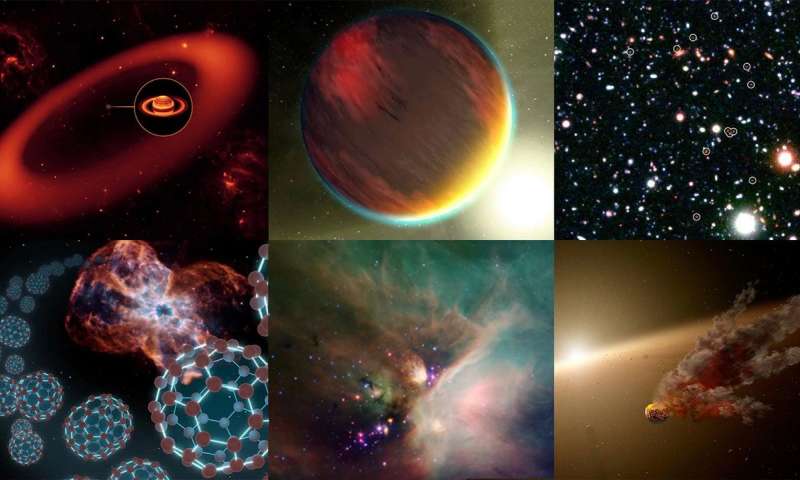
NASA’s Spitzer Space Telescope has spent 15 years in space. In honor of this anniversary, 15 of Spitzer’s greatest discoveries are featured in a gallery.
Launched into a solar orbit on Aug. 25, 2003, Spitzer trails behind Earth and has been gradually drifting farther away from our planet. Spitzer was the final of NASA’s four Great Observatories to reach space. Initially scheduled for a minimum 2.5-year primary mission, NASA’s Spitzer Space Telescope has lasted far beyond its expected lifetime.
#15: The first exoplanet weather map
Spitzer detects infrared light, which is often emitted by warm objects such as heat radiation. While Spitzer mission designers never planned to use the observatory to study planets beyond our solar system, its infrared vision has proven to be an invaluable tool in this field.
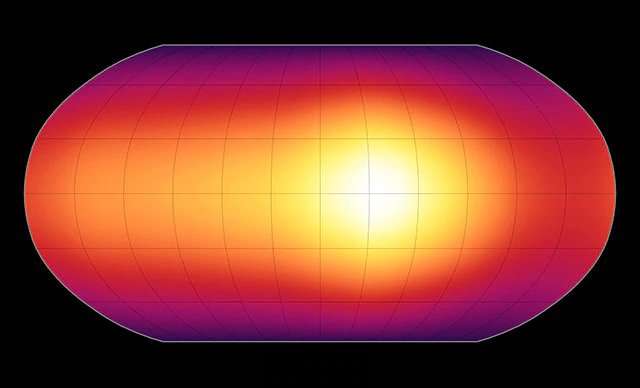
In May 2009, scientists using data from Spitzer produced the first-ever “weather map” of an exoplanet—a planet that orbits a star other than the Sun. This exoplanet weather map charted temperature variations over the surface of a giant gas planet, HD 189733b. In addition, the study revealed that roaring winds likely whip through the planet’s atmosphere. The image above shows an artist’s impression of the planet.
#14: Hidden cradles of newborn stars
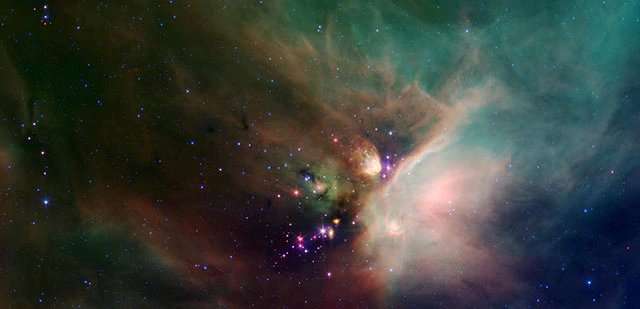
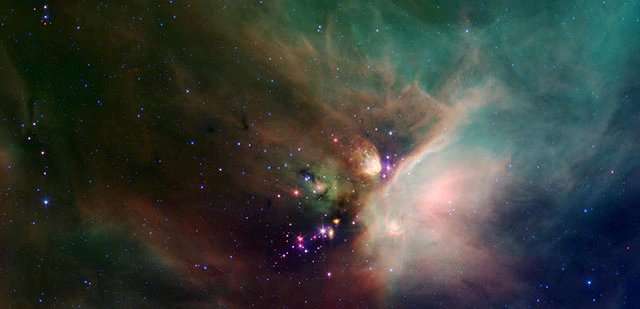
Infrared light can, in most cases, penetrate gas and dust clouds better than visible light. As a result, Spitzer has provided unprecedented views into regions where stars are born. This image from Spitzer shows newborn stars peeking out from beneath their natal blanket of dust in the Rho Ophiuchi dark cloud.
Called “Rho Oph” by astronomers, this cloud is one of the closest star-forming regions to our own Solar System. Located near the constellations Scorpius and Ophiuchus on the sky, the nebula is about 410 light years away from Earth.
#13: A growing galactic metropolis
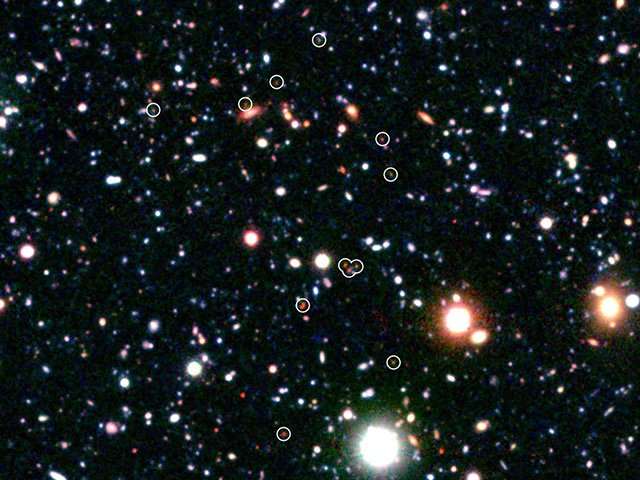
In 2011, astronomers using Spitzer detected a very distant collection of galaxies called COSMOS-AzTEC3. The light from this group of galaxies had traveled for more than 12 billion years to reach Earth.
Astronomers think objects like this one, called a proto-cluster, eventually grew into modern galaxy clusters, or groups of galaxies bound together by gravity. COSMOS-AzTEC3 was the most distant proto-cluster ever detected at the time.It provides researchers with a better idea of how galaxies have formed and evolved throughout the history of the universe.
#12: The recipe for ‘comet soup’
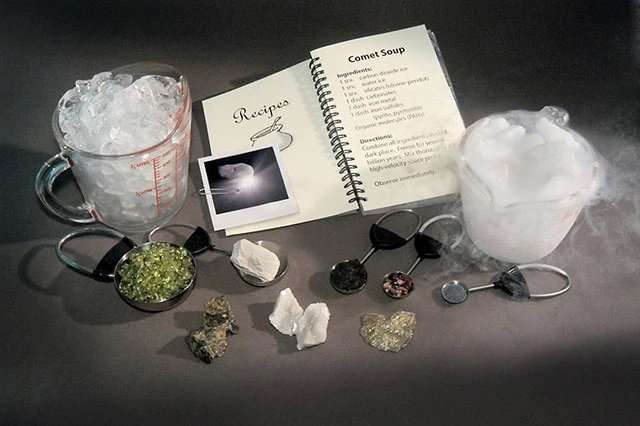
When NASA’s Deep Impact spacecraft intentionally smashed into comet Tempel 1 on July 4, 2005, it expelled a cloud of material that contained the ingredients of our solar system’s primordial “soup.” Combining data from Deep Impact with observations by Spitzer, astronomers analyzed that soup and began to identify the ingredients that eventually produced planets, comets and other bodies in our solar system.
Many of the components identified in the comet dust were known comet ingredients, such as silicates, or sand. But there were also surprise ingredients, such as clay, carbonates (found in seashells), iron-bearing compounds, and aromatic hydrocarbons that are found in barbecue pits and automobile exhaust on Earth. The study of these ingredients provides valuable clues about the formation of our solar system.
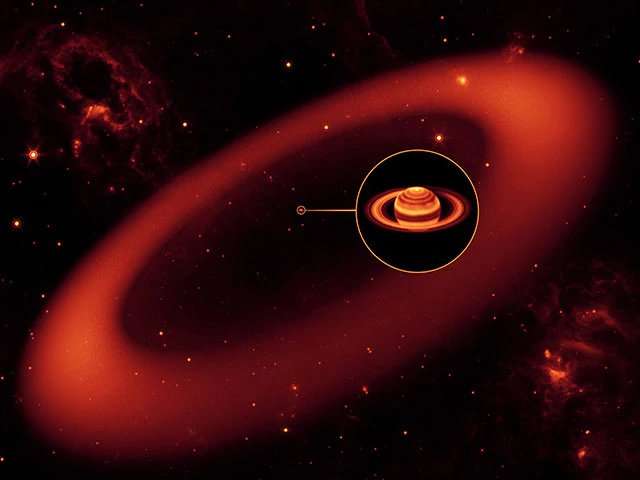
#11: The largest known ring around Saturn
Saturn’s stunning ring system has been photographed extensively, but those portraits have not revealed the planet’s largest ring. The wispy structure is a diffuse collection of particles that orbits Saturn much farther from the planet than any of the other known rings. The ring starts about six million kilometers (3.7 million miles) away from the planet. It is about 170 times wider than the diameter of Saturn, and about 20 times thicker than the diameter of the planet. If we could see the ring with our eyes, it would be twice the size of the full Moon in the sky.
One of Saturn’s farthest moons, Phoebe, circles within the ring and is likely the source of its material. The relatively small numbers of particles in the ring don’t reflect much visible light, especially out at Saturn’s orbit where sunlight is weak, which is why it remained hidden for so long. Spitzer was able to detect the glow of cool dust in the ring, which has a temperature of about minus 316 degrees Fahrenheit or minus 193 degrees Celsius, which is 80 Kelvin.
#10: Buckyballs in space
Buckyballs are spherical carbon molecules that have the hexagon-pentagon pattern seen on the surface of a soccer ball. However, buckyballs are named for their resemblance to geodesic domes designed by architect Buckminster Fuller. These spherical molecules belong to a class of molecules known as buckminsterfullerenes, or fullerenes, which have applications in medicine, engineering and energy storage.
Spitzer was the first telescope to identify Buckyballs in space. It discovered the spheres in the material around a dying star, or planetary nebula, called Tc 1. The star at the center of Tc 1 was once similar to our Sun, but as it aged, it sloughed off its outer layers, leaving only a dense white-dwarf star. Astronomers believe buckyballs were created in layers of carbon that were blown off the star. Follow-up studies using Spitzer data have helped scientists learn more about the prevalence of these unique carbon structures in nature.
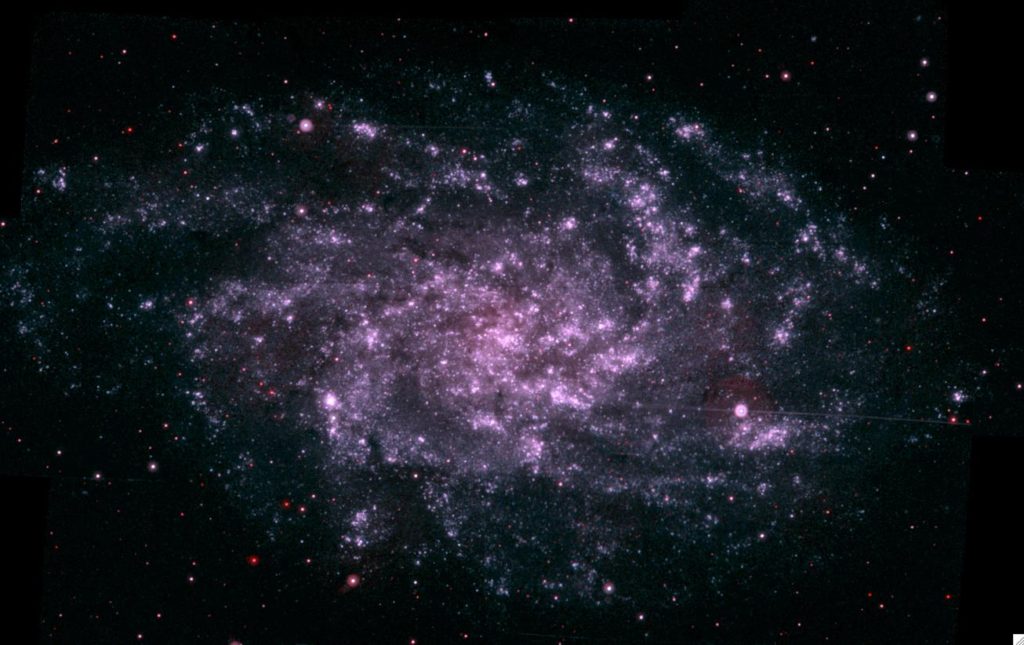
When the NASA’s Swift satellite first stared taking pictures in 2007-2008, it focused on the Triangulum Galaxy. At the time, it created the “most detailed ultraviolet image of an entire galaxy ever taken.” The bright purples and blues highlight the star formation happening in the Triangulum Galaxy.
• It is often mistakenly called the Pinwheel Galaxy, but the official “Pinwheel Galaxy” is actually Messier 101. • It is likely that the Triangulum Galaxy interacted with the nearby, larger Andromeda Galaxy in the past.
• There are several streams of neutral hydrogen and stars linking the two galaxies, which is why scientists think they may have interacted in the past.
•The Andromeda Galaxy and Milky Way are both larger than the Triangulum Galaxy.
•The Triangulum Galaxy may be an example of an “inside-out” galaxy formation. In this process, gas is exhausted at the galaxy’s inner core and is accumulated toward the outer edges of the galaxy. This results in an inner core and outer halo with different compositions. Scientists have observed these two distinct areas in the Triangulum Galaxy.
• An Arizona photographer Chris Schur made headlines in 2016 when he released a stunning image of the Triangulum Galaxy. This is the photo he took.
The mystery of methane on Mars may finally be solved as scientists Monday confirmed the presence of the life-indicating gas on the Red Planet as well as where it might have come from.
In the 15 years since a European probe reported traces of the gas in the Martian atmosphere, a debate has raged over the accuracy of the readings showing methane, which on Earth is produced by simple lifeforms.
Because methane gas dissipates relatively quickly — within around 12 years on Earth — and due to the difficulty of observing Mars’ atmosphere, many scientists questioned previous studies that relied on a single data set.
Now an international team of experts have compared observations from two separate spacecraft, taken just one day apart in 2013, to find independent proof of methane on our neighboring planet.
Furthermore, they conducted two parallel experiments to determine the most likely source of methane on Mars to be an ice sheet east of Gale Crater — itself long assumed to be a dried up lake.
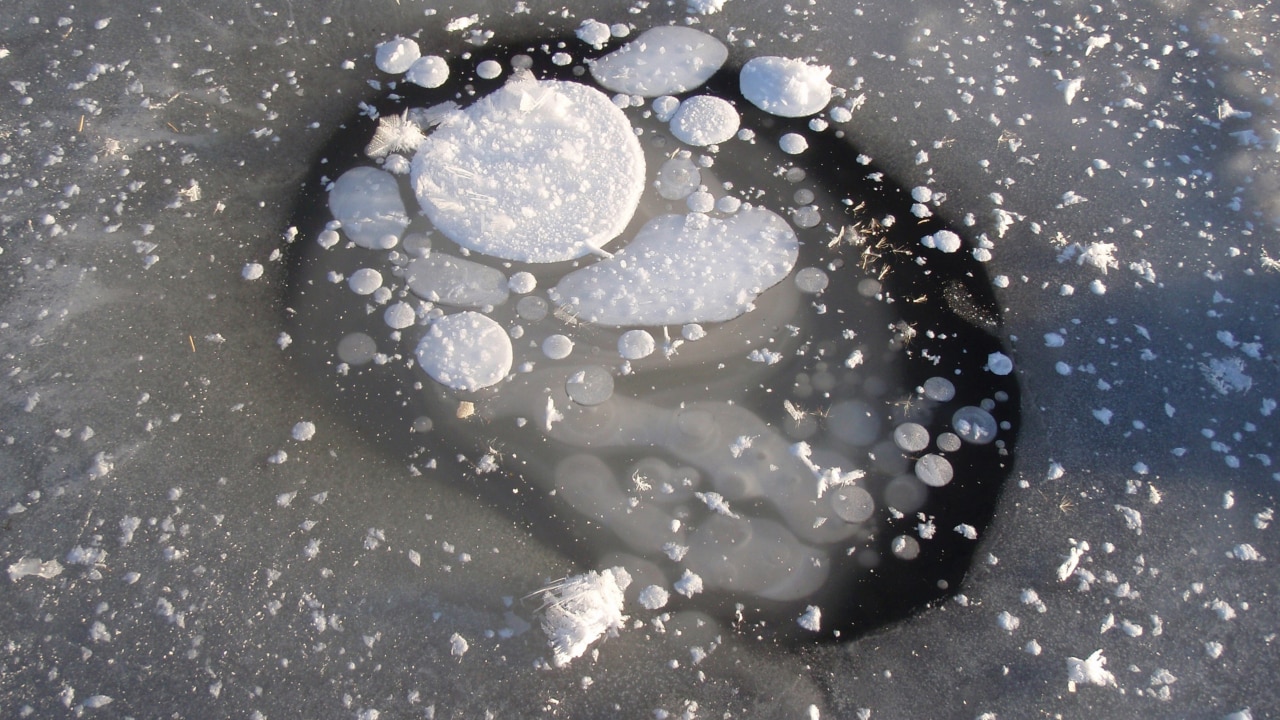
Methane bubbling in an abrupt thaw lake in Alaska. Image Courtesy: US Geological Survey
“This is very exciting and largely unexpected,” Marco Giuranna, from Rome’s National Astrophysics Institute, told AFP. “Two completely independent lines of investigation pointed to the same general area of the most likely source for the methane.”
Europe’s Mars Express probe measured 15.5 parts per billion in the atmosphere above the Gale Crater on June 16, 2013. The presence of methane in the vicinity was confirmed by readings taken 24 hours earlier by NASA’s Curiosity rover.
Using the data, Giuranna and the team divided the region around the crater into grids of 250 by 250 square kilometres.
One study then ran a million computer-modeled emissions scenarios for each section while another team studied images of the planet surface for features associated on Earth with the release of methane.
Indicator of life
The most likely source was a sheet of frozen methane beneath a rock formation, which the team believes periodically ejects the gas into the atmosphere.
Giuranna said that while methane is a sign of life on Earth, its presence on Mars doesn’t necessarily constitute evidence of something similar on the Red Planet.
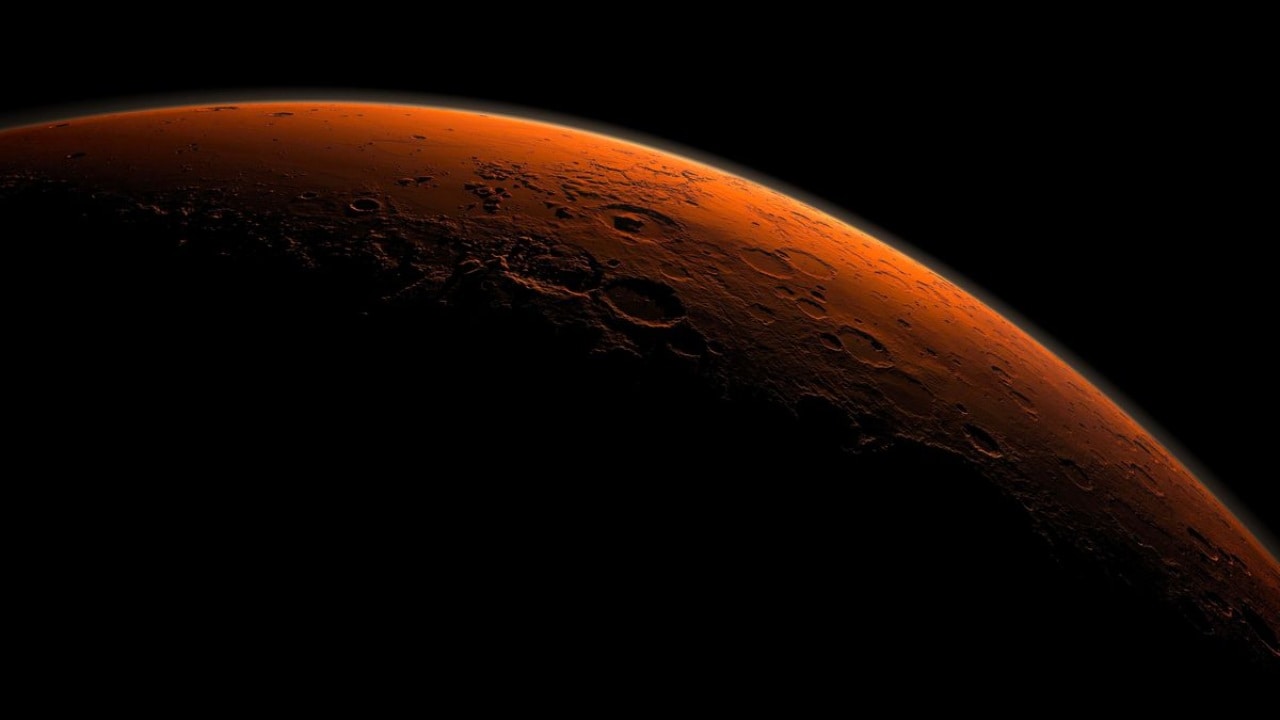
The near-invisible Martian atmosphere.
“Methane is important because it could be an indicator of microbial life,” he said. “But life is not required to explain these detections because methane can be produced by abiotic processes.”
“Though not a direct biosignature of life, methane can add to the habitability of martian settings, as certain types of microbes can use methane as a source of carbon and energy,” he added.
Though there is no liquid water on Mars, the European Space Agency said in February its imaging equipment had shown further evidence of dried up river beds, suggesting the Red Planet may once have been home to simple organisms.
Giuranna said that further research was needed to determine the extent of the methane ice sheet near Gale Crater.
If founded to be extensive, the methane it contains “could support a sustained human presence” on Mars as a possible source of fuel for industrial processes and a propellant for returning manned missions to Earth, he said.




 The Sci-Fi